Leadership

Director
Dane Morgan
Harvey D. Spangler Professor
Department of Materials Science & Engineering
UW–Madison
Dane Morgan integrates atomistic modeling, thermokinetics, and data science to understand and predict materials properties. His research uses AI and machine learning to accelerate materials simulation and characterization.

Jiamian Hu
Associate Professor
Department of Materials Science & Engineering
UW–Madison
Jiamian Hu develops phase-field models and AI methods for microstructure-aware materials and device design. His group studies process–microstructure–property relationships and uses these models to guide the inverse design of ceramics, alloys, and composites.

Hyunseok Oh
Assistant Professor
Department of Materials Science & Engineering
UW–Madison
Hyunseok Oh is an experimental metallurgist who studies process–structure–property–performance relationships to design advanced metallic materials. His group explores large language models to enhance systems-engineering approaches to alloy design.
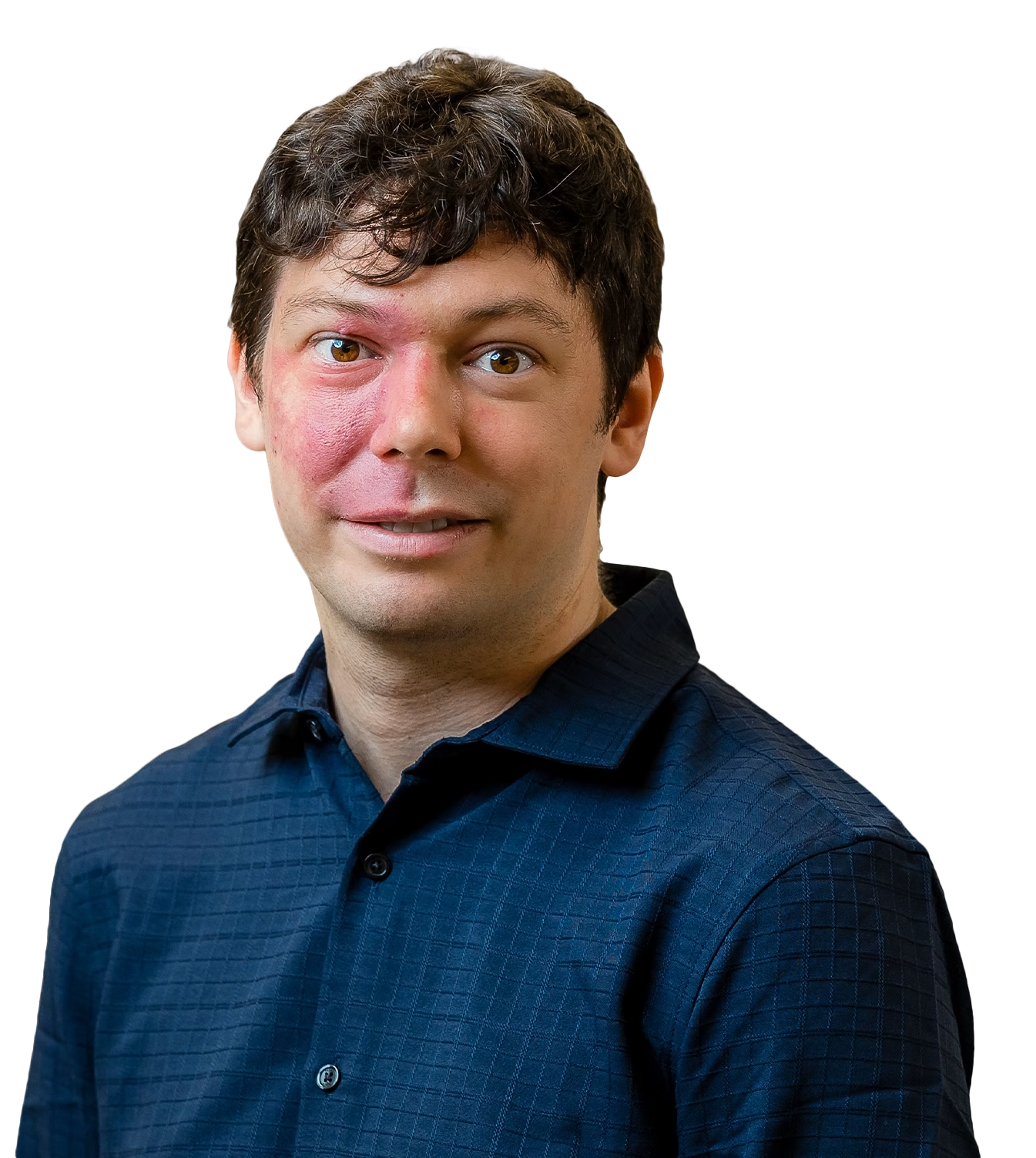
Joel Paulson
Gerald and Louise Battist Associate Professor
Department of Chemical and Biological Engineering
UW–Madison
Joel Paulson develops Bayesian optimization and sequential experimental design methods to accelerate materials and molecular discovery. His group builds data-efficient, interpretable models to guide experiments and simulations under uncertainty and improve decisions in closed-loop research workflows.
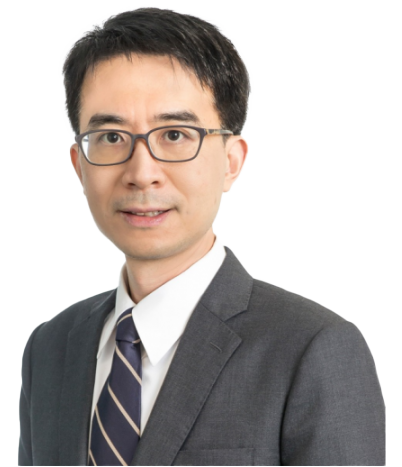
Xuhui Huang
Hirschfelder Chair in Theoretical Chemistry & Theoretical Chemistry Institute Director
Department of Chemistry
UW–Madison
Xuhui Huang develops chemical theories and AI methods to understand biomolecular dynamics. His group studies molecular recognition, self-assembly, and solvation, and develops machine learning approaches to predict protein–ligand and protein–RNA interactions.